

In Kenya, academic performance is more than just a school report—it is a source of pride and hope for the future. For generations, Kenyan parents have placed a high value on education, often making great sacrifices to send their children to reputable schools. From paying tuition fees to investing in extra tuition, quality textbooks, and school supplies, this commitment reflects a deeply rooted belief: education is the key to success.
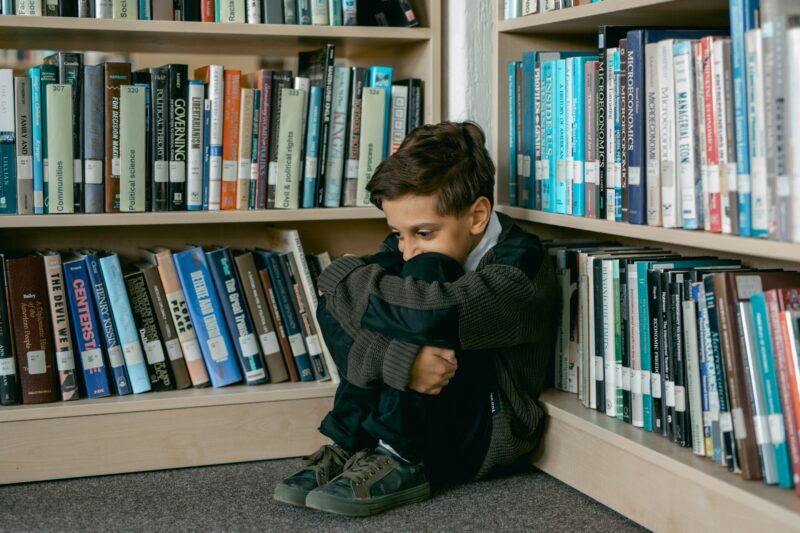
This is why it can be worrying and even stressful when a child begins to underperform in school. In our culture, such situations may be met with concern, anxiety, or even fear for the child’s future. However, it is important to remember that almost all children struggle with their schoolwork at some point. This is a normal part of learning and development. The good news is that with the right support and approach, most children can get back on track, regain their confidence, and excel academically.
Below are practical and effective steps you can take to support your child:
1. Communicate with Your Child’s Teachers
Your child’s teachers are your first and most reliable source of information about their academic struggles. Schedule a one-on-one meeting or attend parent–teacher conferences to discuss specific areas of concern — whether it’s reading, math, behavior, or concentration. Teachers can provide valuable insights on your child’s learning style, strengths, and weaknesses, as well as recommend practical steps to help.
Tip: Maintain open communication throughout the term, not just when there’s a problem. This helps you track progress and address challenges early before they escalate.
2. Identify the Root Cause of the Struggle
A drop in performance can have many causes — from gaps in foundational skills, lack of proper study habits, and distractions at home, to emotional issues or even health problems like poor eyesight or hearing difficulties. Some children also experience anxiety during exams, which can affect performance. Observe your child closely, ask gentle questions, and be open to the possibility that the problem may not always be academic in nature.
Tip: If needed, consult a learning specialist, counselor, or pediatrician to rule out underlying issues.
3. Create a Conducive Study Environment at Home
A child’s environment can greatly influence their ability to focus and retain information. Ensure they have a quiet, well-lit space that is free from distractions like TV, loud music, or constant phone use. Provide the necessary materials such as exercise books, stationery, and revision guides. In Kenyan households where space is limited, consider setting up a small study corner, even if it’s just a simple table and chair.
Tip: Set a daily homework routine so the child knows exactly when to focus on schoolwork.
4. Provide Access to Relevant Learning Materials
Learning materials can make a big difference in reinforcing classroom learning. Invest in revision workbooks, storybooks, and educational games suited to your child’s level. In Kenya, there are high-quality publishers like Moran Publishers and Mentor Publishers, which provide curriculum-based resources from PlayGroup to Grade 9. These materials help children practice what they’ve learned in class and improve retention.
Tip: You can find a wide range of such books at SchoolMall Bookshop, which stocks resources from multiple publishers.
5. Support a Healthy Routine
Academic performance is closely linked to a child’s physical and mental well-being. Ensure your child gets enough sleep (8–10 hours for school-age children), eats balanced meals, and engages in regular physical activity. Avoid overloading them with too many after-school activities that leave little room for rest.
Tip: Encourage hobbies and sports, as they help improve focus, reduce stress, and boost confidence.
6. Encourage and Motivate Your Child
Children who struggle in school often feel discouraged or compare themselves to peers. Your role as a parent is to provide reassurance and highlight their efforts, not just their results. Praise improvements, no matter how small, and avoid negative comparisons with other children. This builds self-esteem and motivates them to keep trying.
Tip: Set realistic, short-term goals with your child and celebrate milestones together.
7. Seek Extra Academic Support if Needed
If your child’s struggles persist despite your efforts, consider getting extra help. This could be in the form of a private tutor, after-school remedial classes, or online learning platforms. Some schools in Kenya also offer holiday tuition programs to help students catch up on difficult topics.
Tip: Choose a tutor who uses engaging teaching methods and can adapt to your child’s learning style.
Conclusion
A child struggling in school is not a sign of failure — it’s a sign they need support, patience, and guidance. In the Kenyan context, where academic success is often linked to future opportunities, the pressure can be intense. However, by working closely with teachers, addressing the root causes, creating a supportive home environment, and motivating your child, you can help them regain confidence and improve their performance. Remember, education is a journey, and every child’s path to success is unique.
At SchoolMall Bookshop, we are committed to supporting your child’s academic journey. We offer a wide range of textbooks, revision books, stationery, art supplies, and other educational materials to meet their learning needs. Whether your child follows the CBC or international curriculum, we have resources appropriate for every grade level. Visit any of our five branches at —
Ruai at Ruai Plaza
Utawala at Kimson Plaza,
Greenspan Mall in Donholm,
Fedha next to Nyayo Estate, and
Embakasi next to Quickmart Supermarket
Call/text us at 0793488207 to get the right tools for your child’s academic success.